Tips · 7 min read
Disposable Vape Battery Safety in Australia: Storage, Warning Signs and Safe Disposal
What Is Inside: A Sealed, Non-Rechargeable Battery
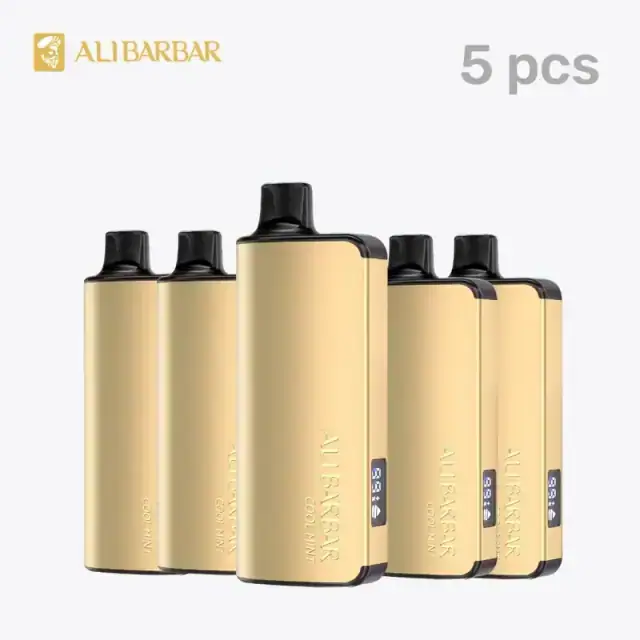
A disposable vape is a self-contained system: e-liquid reservoir, mesh coil, airflow sensor and a lithium battery, all sealed into one unit. The Alibarbar Ingot 9000, for example, pairs a 22ml reservoir with a 2350mAh battery and a smart LED display that tracks both — and none of those parts is meant to be accessed, serviced or replaced by the user.
That sealed design is a safety feature, not just a convenience choice. The battery management is handled internally, and the correct way to treat the device is as a single unit: use it as intended, retire it when the LED shows battery and e-liquid are spent, and never open, puncture, crush or attempt to recharge it.
Everyday Storage: Cool, Dry and Upright
The simplest rule is room temperature. Lithium batteries age fastest in heat, so keep disposables away from direct sunlight, heaters, stovetops and — critically in Australia — parked cars. An interior baking in summer sun is one of the harshest environments a small battery can sit in.
Store devices upright where practical, which keeps e-liquid settled and reduces leaking, and keep them away from metal objects such as keys and coins in pockets or bags. The original packaging is fine for spares: it protects the mouthpiece and keeps the device out of reach of children, which matters because e-liquid contains nicotine and is toxic if ingested.
- Room temperature, out of direct sun — never a dashboard, glovebox or windowsill.
- Upright when possible, to minimise leaking and gurgling.
- Away from keys, coins and other metal in pockets and bags.
- In the original packaging until first use, and out of reach of children and pets.
Warning Signs: When to Stop Immediately
Most devices live out their up-to-9000-puff rating without incident, but batteries do fail, and the signs are physical. Retire a device at once — do not finish it off — if you notice the casing swelling or changing shape, the device becoming hot while not in use, a strong chemical or acrid smell, heavy leaking, or any hissing or popping sounds.
These are battery or structural warning signs, not cosmetic quirks. A swollen battery can continue to degrade, and a hot device should be treated with respect until it has fully cooled. The Ingot 9000's LED display is your early indicator for the ordinary case: when battery and e-liquid read empty, the device is done — replace it rather than coaxing extra puffs out of a spent cell.
What to Do With a Swollen or Hot Device
If a device swells or overheats, the priority is separation: move it away from anything flammable and place it on a non-flammable surface, outdoors or in a ventilated area if that can be done safely. Do not attempt to use, charge or puncture it, and do not put it in water — water does not make a failing lithium cell safe and can complicate the situation.
Let the device cool completely, then handle it as little as possible. If you are concerned it may ignite or you notice smoke, treat it like any small fire risk: keep people and pets clear and call emergency services if needed. Once cool and stable, take it to a council e-waste or battery drop-off point and let staff know it is a damaged device.
Safe Disposal and Recycling in Australia
A used disposable still contains a lithium battery, which is why it must never go into general rubbish or the kerbside recycling bin. Crushed batteries in garbage trucks and sorting facilities are a documented cause of fires — keeping them out of the waste stream protects collection crews as well as your own household.
The right destination is a council e-waste or battery collection point: many Australian councils accept small sealed devices at transfer stations or scheduled drop-offs, and some retailers operate battery take-back bins. Keep used devices intact — do not dismantle them to remove the battery — and store them somewhere cool until you can drop them off.
Mistakes to Avoid
Almost every battery incident with a disposable traces back to one of a short list of avoidable mistakes. Running through them once is enough to stay on the safe side for the whole life of the device.
- Trying to recharge a non-rechargeable device — the Ingot 9000 has no charging circuit, and forcing current into it is a fire risk.
- Opening, puncturing or crushing a device to 'get the last puffs' out of it.
- Leaving devices in hot cars, direct sun or pressed against warm skin for long periods.
- Carrying a loose device with keys and coins that can damage the casing.
- Throwing used devices in general rubbish or the recycling bin instead of an e-waste or battery drop-off.
- Ignoring swelling, heat or strange smells and continuing to use the device.
Shop the range


Related guides
FAQ
Can a disposable vape battery catch fire?
Lithium batteries are safe in normal use but can fail if damaged, crushed, punctured or exposed to high heat. Failures are uncommon, yet a swollen, hot or leaking device should be treated as a genuine hazard: stop using it, keep it away from flammable materials and take it to an e-waste or battery drop-off rather than the bin.
My disposable vape is getting warm. What should I do?
Mild warmth during a puff is normal because the coil is heating. Warmth when the device is not in use is not. Let it cool somewhere away from flammable items, do not charge it or put it in a pocket or bag, and if it stays warm, swells or develops a smell, retire it and dispose of it through a battery or e-waste collection point.
Can I recharge an Alibarbar Ingot 9000?
No. The Ingot 9000 uses a sealed 2350mAh non-rechargeable battery. There is no charging port and the casing is not designed to be opened. Attempting to charge it with any cable or adapter is a fire risk. When the LED display shows the battery is depleted, the device has reached the end of its up-to-9000-puff rated life and should be replaced and recycled.
Where can I recycle a used disposable vape in Australia?
Check your local council's e-waste or battery collection options — many Australian councils accept small sealed devices at transfer stations or scheduled drop-offs, and some retailers run battery take-back points. Keep used devices intact, store them somewhere cool until drop-off, and never put them in general rubbish or the kerbside recycling bin, where crushed batteries are a known cause of truck and facility fires.
Is it safe to leave a disposable vape in a hot car?
No. Interior temperatures in a parked Australian car can climb far above safe levels for lithium batteries and e-liquid. Heat accelerates battery degradation, can cause leaking or swelling, and ruins flavour. If a device has been baked in a car, let it return fully to room temperature before use — and if it shows any warning signs such as swelling or leaking, retire it instead.